Most landowners assume they only have one real harvest option — clearcutting. They’ve heard it’s controversial. They’ve seen the aftermath on neighboring properties, decided they want no part of it.
That assumption has a cost. It keeps overstocked stands unmanaged. Then it lets timber value decline year after year. It stalls the forest from becoming something better.
Foresters use three main methods to regenerate a forest stand. These are shelterwood cutting, clearcutting, and seed-tree cutting. Each one works differently. Each one fits different species and goals. Knowing which one applies to your land is the first step. It starts with understanding how each method works.
What Are Even-Aged Regeneration Harvests?
All three methods fall under a category called even-aged management. The goal is a new forest stand where all trees start at roughly the same age. This differs from selection harvesting. That method removes individual trees one at a time across the whole stand.
What unites all three methods is light. You’re removing mature trees so sunlight reaches the forest floor. That light triggers seedling germination and growth.
Even-aged management has a long track record in northeastern hardwood forests. Applied correctly, it improves timber quality, wildlife habitat, and stand health. Applied incorrectly, it creates problems that take decades to fix.
What Is Shelterwood Cutting?
Shelterwood cutting is a staged harvest. You remove the overstory in two or three separate entries. These entries are spread out over 10 to 20 years.
The first entry is the preparatory cut. It removes low-quality trees and opens the canopy enough to stimulate the seedbed. The second entry is the seed cut. It opens the canopy further so sunlight reaches established seedlings. A final removal cut takes the rest of the overstory.
The trees left standing after each cut do two things. They drop seed for the next generation. They also provide partial shade. This protects young seedlings from frost, drought, and sun scald during their most vulnerable years.
In Sullivan and Ulster Counties, I prescribe shelterwood most often in sugar maple stands. It also fits mixed northern hardwood types well. The method favors shade-tolerant species: maple, beech, and basswood. These species need overhead protection in their first years of growth.
The trade-off is intensity. Shelterwood requires multiple logging contracts and multiple entries over many years. It takes coordination and long-term commitment. But for a landowner who wants to maintain a maple stand, there’s no better tool.
What Is Clearcutting?
Clearcutting removes all trees in a single operation. Nothing is left standing. The site looks severe when it’s done. That visual impact is where most landowners lose confidence in the method.
But clearcutting is a legitimate silvicultural tool. It’s not destruction. It’s the right prescription for shade-intolerant species. These are trees that need full sunlight to establish and grow. They simply won’t regenerate under a canopy.
In our region, clearcutting works best for black cherry and aspen. A shelterwood on a black cherry stand would favor the shade-tolerant competition instead. If you want black cherry, you need open ground and direct sun.
Clearcutting also creates early successional habitat. That young, dense growth is prime cover for white-tailed deer, American woodcock, and ruffed grouse. I’ve helped landowners in Orange County dramatically improve their deer hunting with well-placed clearcuts.
The recovery timeline is shorter than most people expect. By year five, the site is a dense wall of young vegetation. By year 15 to 20, you have a well-stocked, fast-growing stand.
What Is Seed-Tree Cutting?
Seed-tree cutting sits between clearcutting and shelterwood. You remove almost all trees from the site. But you leave a small number of high-quality individuals standing to provide seed.
The typical prescription leaves 5 to 15 seed trees per acre. These must be the best trees on the site. Dominant crowns, good form, no visible disease. They stay standing until the new seedling crop is established. Then a final entry removes them.
In the Hudson Valley, I use seed-tree cutting most often for white pine and oak. Both species produce wind-dispersed seed. A few quality seed trees can reliably stock a site under the right conditions.
There’s one risk to assess before recommending this method. Exposed residual trees are vulnerable to wind throw. On sites with shallow soils or exposed ridge tops, blow-down can become a real problem. I assess root depth and site exposure carefully before signing off on a seed-tree prescription.
How Do You Choose the Right Method?
The right method depends on species, goals, and site conditions. There is no one-size answer.
Start with species. Want to maintain a sugar maple stand? Shelterwood is your tool. Want to encourage black cherry or aspen? Clearcutting gives those species the best possible start. Want to regenerate white pine or oak from seed? Seed-tree cutting is worth a hard look.
Think about your goals. Timber value and wildlife habitat don’t always point to the same method. Shelterwood and seed-tree cutting tend to produce more consistent timber quality in the next rotation. A clearcut creates the early successional habitat that deer, grouse, and woodcock need most.
Deer pressure is a real factor in Sullivan and Ulster Counties. It’s one of the biggest threats to natural regeneration in our area. A clearcut with heavy deer pressure can turn into fern and Japanese barberry instead of a new forest. I’ve walked properties where every seedling was browsed to the ground within two growing seasons. When deer numbers are high, site prep and temporary browse protection must be part of the plan.
Site conditions matter just as much as species. Slope, aspect, soil depth, and drainage all shape which method will succeed. These aren’t things you can read off a map. It takes time on the ground.
Compare all three methods on our shelterwood vs. clearcutting vs. seed-tree cutting guide. For the full range of harvest options, see our timber harvesting methods guide. My complete timber harvesting guide for private landowners covers the full planning process from start to finish.
Frequently Asked Questions
Is clearcutting legal in New York State?
Yes, clearcutting is legal on private land in New York. There are no state laws prohibiting it. Some local municipalities have timber harvesting ordinances that restrict the practice. Before any harvest, check your town’s zoning code. Then consult with a licensed consulting forester.
How long does regeneration take after a shelterwood cut?
Seedling establishment typically begins within one to three years after the first shelterwood entry. The full rotation — from preparatory cut to final removal — usually takes 10 to 20 years. That timeline varies by species, site quality, and local deer pressure.
Can seed-tree cutting work for oak regeneration in the Hudson Valley?
It can, but oak regeneration is challenging throughout the Northeast. Deer browse, invasive competition, and variable acorn crops all affect success. I often recommend combining seed-tree cutting with site preparation and browse protection. A licensed consulting forester should assess your specific site before you commit to this approach.
How Environmental Forest Products Can Help
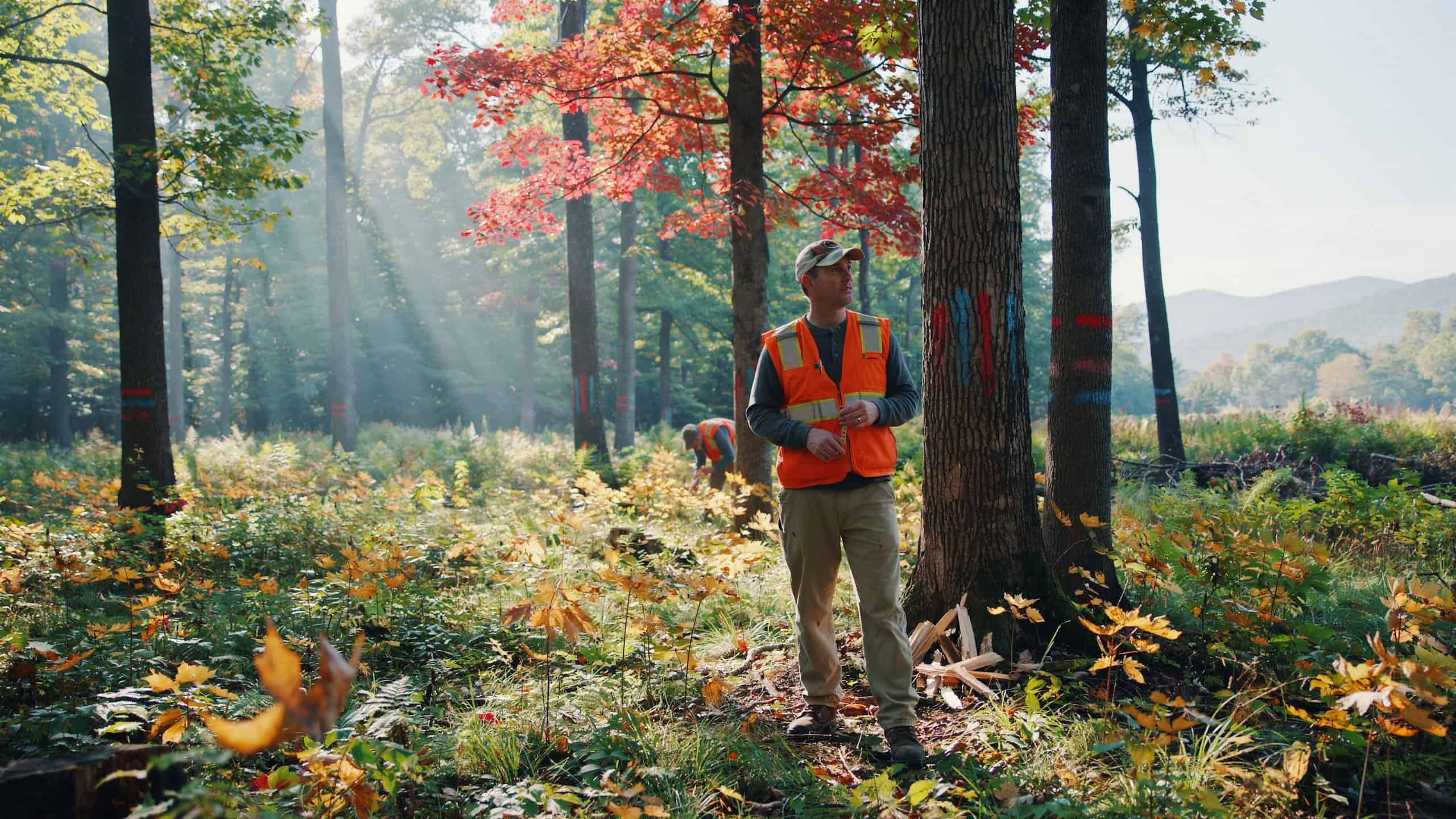
Choosing the right harvest method is not a decision you make from a map. It requires walking the property, reading the stand, and matching the prescription to your goals.
I offer timber harvest planning and consulting for private landowners. I serve Sullivan, Orange, and Ulster Counties in New York. Also serve Pike and Wayne Counties in Pennsylvania and Sussex County in New Jersey. My services include:
- Stand assessment and silvicultural prescription development
- Timber sale preparation and contract review
- Harvest oversight to protect your land and your interests
- Forest management plan development for long-term stewardship
- 480-a Forest Tax Law enrollment and compliance management
Start with a property estimate. Call me directly at (845) 754-8242 or email henry@eforestproducts.com.
Serving Sullivan County NY, Orange County NY, Ulster County NY, Pike County PA, Wayne County PA, and Sussex County NJ.
Henry Kowalec is a licensed consulting forester and member of the Society of American Foresters with over 30 years serving private landowners in the Hudson Valley and Catskills. Environmental Forest Products | Westbrookville, NY 12785 | Licensed in NY, PA, NJ.